Blog

  • Dear First-Time Buyer: Everything I Wish Someone Had Told Me

    Dear First-Time Buyer: Everything I Wish Someone Had Told Me

    Buying your first home feels exciting until it doesn’t. One moment you’re picturing cozy evenings in your own space, and the next you’re drowning in paperwork, mortgage terms, and confusing advice from everyone around you. Nobody tells you how overwhelming it actually gets. This post is everything I wish someone had sat me down and explained before I signed anything. Consider it your honest, no-fluff guide from someone who has been through it.

    Your Budget Is Not Just the Home Price

    Most first-time buyers make the same mistake: they look at a home listed at $300,000 and think, Okay, I need $300,000. That is not how it works at all.

    On top of the purchase price, you have closing costs, which typically run between 2% and 5% of the loan amount. That alone can add thousands of dollars you did not plan for. Then there are home inspections, moving costs, and any immediate repairs the home might need.

    Once you move in, the expenses keep coming. Property taxes, homeowner’s insurance, HOA fees (if applicable), and regular maintenance all add up. A good rule of thumb is to budget 1% of the home’s value each year just for upkeep. If something breaks and things will break, you want cash sitting ready, not panic.

    Getting Pre-Approved Changes Everything

    A lot of buyers start browsing homes before they talk to a lender. That is a heartbreak waiting to happen. You fall in love with a home, only to find out later that you cannot qualify for that price range.

    Getting pre-approved first gives you a real number to work with. It also tells sellers you are serious, which matters a lot in competitive markets. Sellers are far more likely to consider an offer that comes with a pre-approval letter.

    Pre-approval is not the same as pre-qualification. Pre-qualification is a rough estimate based on the information you provide. Pre-approval involves a full review of your income, credit, and debts. Always go for pre-approval.

    What Your Credit Score Does to Your Loan

    Your credit score does not just decide whether you get a loan. It decides what rate you pay on that loan. Even a small difference in interest rate can mean tens of thousands of dollars over the life of a 30-year mortgage.

    A score above 740 usually gets you the best rates available. If yours is lower, it might be worth taking a few months to pay down debts and clean up any errors on your credit report before you apply. This step alone has saved buyers serious money.

    Also, avoid opening new credit cards or taking on new debt while you are in the process of buying. Lenders check your credit right before closing, and any sudden changes can delay or even cancel your loan approval.

    How to Read a Neighborhood Like a Pro

    The house itself is only part of the purchase. The neighborhood is something you live with every single day, and it is much harder to change than paint colors or flooring.

    Visit at different times of day. A street that looks peaceful on a Tuesday afternoon might feel very different on a Friday night. Check how long homes in the area typically stay on the market. A neighborhood where homes sell quickly usually signals strong demand and stable or rising values.

    Look up the school district ratings, even if you do not have kids. Schools strongly influence home values over time. Check the walkability score, proximity to grocery stores, and commute times to places you regularly visit. Companies like Simple Quarters offer helpful neighborhood breakdowns and livability guides that make this research much easier for first-time buyers.

    Home Inspections Are Non-Negotiable

    Some buyers, especially in hot markets, consider waiving the home inspection to make their offer more attractive. This is almost always a bad idea.

    A home inspection gives you a full picture of what you are actually buying. A licensed inspector checks the roof, foundation, electrical systems, plumbing, HVAC, and more. Issues found during inspection can be used to negotiate the price down or request repairs before closing.

    Skipping the inspection to win a bidding war might get you the house, and then saddle you with a broken HVAC system, faulty wiring, or a leaky roof worth tens of thousands to fix. Pay the $300 to $500 for the inspection. It is one of the smartest things you can spend money on during this process.

    Negotiations Are Not as Scary as You Think

    A lot of first-time buyers are afraid to negotiate. They worry about offending the seller or losing the home. In reality, negotiation is expected and completely normal.

    You can negotiate the price, closing costs, repair credits, and even which appliances stay with the home. Your real estate agent is your biggest ally here. A good agent knows what comparable homes have sold for, what the seller’s timeline looks like, and where there is room to push back.

    Do not get emotionally attached to a home before you have the keys. Buyers who fall too hard for a property often overpay or agree to terms that do not serve them. Stay practical, and let your agent do their job.

    Closing Day Is Not the Finish Line

    Everyone tells you closing day is the big moment. You sign the papers, you get the keys, and the hard part is over. In some ways, that is true, and it is absolutely worth celebrating.

    What nobody mentions is what comes right after. You now own a property that needs things done to it. Locks should be changed immediately since you never know how many copies of the old keys exist. Utilities need to be switched to your name. Any repairs noted during inspection need to be scheduled.

    Give yourself a realistic move-in timeline. Rushing into a home before it is ready creates unnecessary stress. Take a breath, make a checklist, and handle things one step at a time. You made a huge decision, and now you get to make it your own.

    Buying your first home is one of the biggest financial decisions you will ever make. It is also one of the most rewarding. Go in with your eyes open, ask every question you have, and do not let anyone rush you through a process this important. You deserve to feel informed, not overwhelmed.

    FAQs

    1. How much money do I really need to buy my first home?

    You need more than just the down payment. In addition to that, plan for closing costs (around 2%–5% of the loan), inspection fees, moving expenses, and an emergency fund for repairs. A safe approach is to have extra savings so you are not financially stretched right after moving in.

    2. Is getting pre-approved really necessary before house hunting?

    Yes, it makes a big difference. Pre-approval shows sellers you are serious and financially ready. It also helps you understand your actual budget, so you do not waste time looking at homes you cannot afford.

    3. What should I avoid doing during the home-buying process?

    Avoid taking on new debt, opening new credit cards, or making large purchases before closing. These actions can affect your loan approval. Also, do not skip the home inspection or rush into decisions due to pressure. Taking your time can save you from costly mistakes.
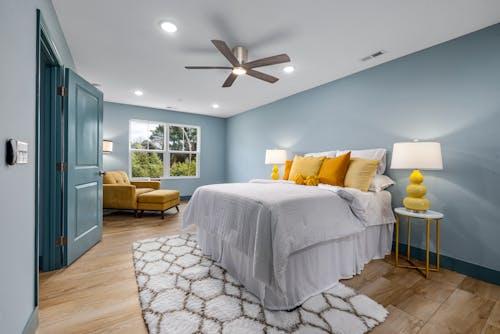

  • 3 Expert Reasons to Invest in a Ceiling Light Fan

    3 Expert Reasons to Invest in a Ceiling Light Fan

    Even as the summer seems to be winding down, many regions in Australia are still having hot and humid days. This emphasises the ongoing battle many locals face every day, and that’s how to keep your home cool without the dreaded downside of an inflated energy bill.

    While air conditioning is a popular go-to solution for many residents, many homeowners are choosing a more efficient and quieter solution that solves more than one problem. If you’re already planning a modern light installation, it’s a good idea to combine it with a fan and, at the same time, give yourself more control over your home’s climate. We are, of course, referring to the ceiling light fan.

    Understanding What a Ceiling Light Fan is

    Simply put, a ceiling light fan refers to a dual-purpose fixture that combines an overhead cooling fan with an integrated light. This fixture then offers both illumination and circulation. Most modern fans boast energy-efficient LED lights, which can, in most cases, be dimmed. Colour Changing Technology (CCT) allows you to switch between warm, cool, or natural white light.

    Common blade materials include ABS plastic, timber, or metal. In addition to this, light fans provide a cooling breeze during the warmer months, while a “winter mode” allows the blade direction to be reversed, which then pushes trapped warm air down into the room, instantly making your room warmer.

    Plenty of Good Reasons to Make the Switch

    Australia is renowned for its crazy weather. This means that whether you live in the dry heat of Perth, dealing with the humidity in Queensland, or battling four seasons in one day in Melbourne, the humble ceiling fan may be the solution you’ve been searching for. Our team of installers have compiled a list of the top reasons why a light fan is more than just a feature, it’s a must-have.

    Creates Significant Energy Savings

    The number one reason to invest in a ceiling light fan is the positive impact it will have on your wallet. On average, a standard ceiling fan can cost roughly 2 to 3 cents per hour to run. More advanced split-system air conditioners usually cost between 30 and 80 cents per hour. Ducted systems are the most expensive to run, exceeding $2.00 per hour.

    Many Australian homeowners agree that the “fan-first” approach is the key to ongoing sustainability. Using only a basic fan on those mid-range 28°C days, one can usually avoid turning on the AC altogether. Even on hotter, more humid days, running a fan alongside your air conditioner allows you to set the thermostat 2–3 degrees higher while maintaining the same level of comfort. Experts estimate that this “set-and-forget” synergy can minimise your cooling energy consumption by as much as 40%.

    Dual Functionality Equals Space Saving

    Whether you’re living in a modern apartment or you have a bigger house in the suburbs, there’s no denying that you’ll want to utilise as much space as possible, even on the ceiling. A huge positive here is that a ceiling light fan prevents you from having a cluttered ceiling with lights and fans competing for the same space. Combining two essential utilities in one unit is not only more efficient, but also looks neater.

    More good news is that integrated LED technology is now a standard feature in these units, which means you can look forward to high-quality, dimmable lighting alongside cooler airflow. Several modern models also offer “Tri-Colour” technology, allowing you to switch between Warm White (perfect for a cosy lounge), Neutral White, and Cool White (ideal for task lighting in a kitchen or study) via the remote control. It’s a clean, minimalist solution that suits the modern Australian aesthetic.

    Kinder to Your Allergies and Skin

    Anyone who has lived in a home with ceiling light fans in their bedrooms will agree that these should be a staple in every home. The main reason for this is that these fans are much kinder to your skin and sinuses. This is because the existing air is being circulated rather than cold, harsh, dry air being blown out of an air conditioner.

    Furthermore, anyone struggling with their sleeping patterns will find the gentle hum of white noise more soothing for creating a deep sleep. Users can also use the “Sleep Timer” on the remote to switch the fan off in the early hours of the day when the outside temperature drops. This will ensure that you don’t wake up feeling chilly. Reduced noise also means that light fans are the perfect solution for kids’ bedrooms or living rooms.

    Final Thoughts

    Ceiling light fans are not only a far cry from their clunky ancestors; they’re also energy efficient and ideal for every room in your home. In addition to being sleek, light fans are whisper-quiet, making them a better solution for anyone who feels that air conditioning units are too loud. By opting to install a light fan, you’ll be investing in a year-round climate solution that’s kind to your environment, your budget, and keeps your home cool. What more could you ask for?

  • 5 Expert Tips to Make Your Outdoor Deck Safer

    5 Expert Tips to Make Your Outdoor Deck Safer

    If you own a home in Australia, then you know it’s almost an unwritten rule that you need to add a deck. Not only are decks considered a staple of modern residential home design, but they also act as the perfect extension of your indoor living space. Since outdoor entertainment is so popular, it stands to reason that the general goal is to add a deck around your BBQ area to create a next-level relaxation spot.

    Despite the many benefits of installing a deck, either around your home or as an extension of your entertainment area, these structures can be unsafe if not installed or maintained correctly. A few of the top ways to keep your decks safe include everything from installing decking balustrade to improving under-deck ventilation. This post shares a few of these valuable tips.

    Make Safety and Routine Maintenance Part of Your Decking Experience

    As with every new external addition to your Aussie home, you will have to provide ongoing maintenance and consistent care to protect it from our harsh and sometimes unforgiving climate. Our team of outdoor specialists have compiled a list of the top tips that will help you keep your deck safe and in beautiful condition for years to come.

    Install a Glass Balustrade

    Before we delve into the care and maintenance aspects that will prolong your deck’s lifespan, it’s essential to make your deck as safe as possible. In addition to using only quality materials during the construction process, it’s also a good idea to install a glass balustrade.

    Essentially, a glass balustrade can be defined as a safe, transparent barrier made from toughened or tempered glass panels usually about 10mm thick. These barriers prevent anyone from falling off the deck, which makes it especially necessary if you have kids or pets.

    Opting for glass as your material of choice means that you will be creating an unobstructed view and allowing maximum natural light onto your deck. This means you’ll still be able to enjoy the beautiful views of your garden or outdoor area. Having your glass balustrade professionally installed will ensure that it’s safe and compliant with local codes.

    Create or Improve Under-Deck Ventilation

    Humidity and moisture are the enemies of any timber structure. This means that without the proper airflow, the underside area of your deck boards will absorb moisture and bend or warp. Here, it’s essential to ensure that the perimeter of your deck isn’t completely sealed off by dense shrubbery or solid walls.

    For a low-level deck, it’s a good idea to clear out the spaces and gaps between boards. Using a putty knife to do this will significantly improve the cross-flow ventilation and go a long way toward preventing joist rot.

    Give Careful Consideration to Pot Plant Placing

    Few first-time deck owners know that pot plants can be silent killers to their newly installed deck. While they may look beautiful and add ambience to the space, they can also trap moisture against the wood. This eventually ends up creating a rot-prone microclimate.

    If you really have your heart set on adding pot plants, be sure to use pot feet or specially wheeled stands to create the necessary air gap for ventilation. These simple additions to your pot plants allow the timber to dry out after a bout of rain and also prevent mould from growing on your deck.

    Remove Potential Fire Hazards

    Bushfires are a very real reality for many Australian regions. Homeowners living in Bushfire Attack Level (BAL) rated areas should take extra precautions to ensure that decks aren’t a fire hazard.

    A few simple ways to do this are to remove the dry leaf and twig litter that accumulates in the gaps between the decking boards. You should also remove any organic material that may have blown under the deck. Be sure to trim foliage around the deck to prevent dry leaves and branches from igniting when embers are flying around.

    Create a Safe Staircase

    Most decks have a few stairs leading from the actual deck to the ground. Even if you only have two very big stairs, it’s essential to ensure that they are safe and secure. The easiest way to do this is to opt for non-slip nosing or grip tape on the edges of steps. This is highly recommended for decks near outdoor spas or pools.

    The next step is to ensure your stair handrail is “continuous”—meaning you can run your hand from top to bottom without having to let go. If your deck has a few dark spots, especially near the stairs, it may be a good idea to invest in solar lighting, which will enable you to enjoy your deck in the evening as well.

    Final Thoughts

    Decks are a wonderful way to extend your living space and make wonderful places for seating and visiting in your outdoor area. Having your deck and balustrade professionally installed is the first crucial step in having a safe and durable deck. Caring for your deck should form part of your seasonal maintenance. This will enable you to enjoy your deck for years to come!

  • 3 Simple Tips to Keep Your Glass Pool Fence From Damage

    3 Simple Tips to Keep Your Glass Pool Fence From Damage

    Adding a glass pool fence to pool and outdoor spa areas has become an instant way to add a touch of luxury and style to the space. In addition to creating a clutter-free, transparent barrier, this modern fencing solution is safe and easy to maintain.

    Durability, ease of maintenance, and a timeless sense of style are only a few aspects that make glass pool fencing the gold standard for Australian backyards. However, as with everything else you add to your entertainment area, your glass pool fence will require some maintenance to keep it looking as amazing as the day you installed it. This post explores a few key glass pool fencing care tips you should know.

    Understanding Why Glass Pool Fences are All the Rage

    If you’re still planning your pool and all the additions and accessories that go along with it, then you may be wondering why glass pool fences are so popular. Let’s recap why you may need one in the first place.

    According to Australian law, it’s mandatory for any body of water, such as a home spa or swimming pool, that holds 300mm, to have a safety barrier. Strict regulations include having a fence height of 1.2m, self-closing gates, and no-climb zones. With this in mind, many homeowners are opting for glass pool fencing.

    Essentially, glass pool fences are becoming the go-to option because they offer a modern, luxurious aesthetic while providing unobstructed, high-visibility safety. This not only enables parents to supervise children and pets but also allows for an expansive view of your garden and property.

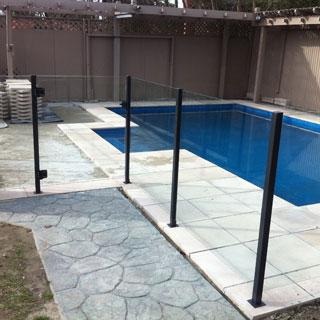
    Glass pool fences are made using tempered or toughened Grade-A safety glass panels. They can be frameless (spigot-mounted) and semi-frameless (using metal posts) and provide a modern, low-maintenance aesthetic that not only resists corrosion but also enhances the overall look of your outdoor space.

    Maintenance is a Must and Easier than You Think

    Some very good news for anyone looking to invest in a glass pool fence is that keeping it cleaned and maintained is easier than you think. With that said, our team of installation experts have compiled a list of basic care tips that keep your glass pool fences in tip-top shape.

    Use the Right Cleaning Tools

    The most common issue homeowners have with glass pool fencing is that glass panels develop scratches. This isn’t caused by kids, pets, or age but rather by abrasive cleaning methods. Scratches and other markings are often caused by well-intentioned homeowners who use regular kitchen scouring pads or stiff-bristled brushes to clean glass panels.

    Here, you need to remember that tempered glass can easily develop micro-scratches from harsh and abrasive materials. This can also lead to your glass panels becoming cloudy. The big secret to protecting your glass panels is to use the right cleaning tools. Here’s what you need to know:

    • Always use a high-quality squeegee or a clean, soft microfiber cloth
    • Start by hosing the glass down with fresh, clean water to remove loose grit and sand, which, if not cleaned off, will act as sandpaper when you start wiping
    • Avoid fancy chemicals, as these can contain ingredients that damage the glass. Rather, opt for only using warm water, mixed with a few drops of pH-neutral liquid dish soap

    Invest in a Hydrophobic Protective Coating

    In Australia, pool chemicals and hard water are a pool fence’s worst enemies. This is because when water evaporates from the glass, it leaves behind mineral deposits such as salt and calcium. These chemicals will eventually etch into the glass, which in turn creates permanent damage that resembles white stains.

    You can avoid this by investing in a hydrophobic protective coating. Often referred to as self-cleaning or easy-clean coating, this solution acts like a non-stick frying pan for your fence. This easy-clean solution works by filling the microscopic peaks and valleys of the glass surface, which causes the water to bead up and roll off the glass.

    Not only does this solution reduce cleaning time by up to 90%, but it also provides a sacrificial barrier against scratches and chemical etching. Some good news here is that if your fence wasn’t pre-treated before installation, you can purchase and apply aftermarket kits such as Nanokote or EnduroShield.

    Reduce the Impact Zone

    Since pool glass is designed to withstand significant weight, it can handle the accidental bumps. However, you should keep in mind that your fence is vulnerable to sharp, localized impacts on or around the edges.

    A few tips to prevent this include the following:

    • Keep heavy furniture such as tables and sun loungers at a safe distance
    • Be careful with garden equipment when tending to grass or shrubs near the glass
    • Experts recommend keeping a safe distance between your fence and the grass line, where possible

    Final Thoughts

    Keeping your glass pool fence looking amazing is as simple as following our suggestions, as well as those provided by your professional installer. Taking the time to maintain your glass pool fence will ensure that you can enjoy the safety and beauty it offers for years to come!

  • 4 Top Tips to Help You Find the Best CPM for Your Property

    4 Top Tips to Help You Find the Best CPM for Your Property

    Owning and leasing out a commercial property in Australia can take up a lot of your time and can be challenging to manage if you’re juggling it with a full-time job. This is because the task requires more than just finding tenants and collecting rent every month.

    It’s with this in mind that property experts recommend enlisting the services of a certified and experienced property manager. The commercial property management Essendon property owners rely on will assist you with all the legalities associated with managing your commercial property leases, as well as handle tenant relations. This post shares a few key tips to help you find the best property management team.

    What is Commercial Property Management?

    In an Australian context, commercial property management (CPM) involves the strategic maintenance, administration, and leasing of income-generating real estate with the goal of maximising the owner’s returns. For the most part, this responsibility also covers tenant management (lease negotiations and rent collection), compliance with local laws, and facility management.

    In short, these professionals handle the day-to-day running of your commercial property. By having a designated person for the tenant to liase with, there’s no need for you to be overwhelmed with tenant issues and queries.

    Professional Commercial Property Management Makes All the Difference

    When you’re shortlisting potential commercial property management companies, the goal should always be to look beyond basic rent collection to find a specialist who can safeguard your investment.

    They will also need to manage complex commercial leases and help you maximise returns. With this in mind, we’ve listed a few key tips to help you find the perfect commercial property manager.

    Always Look for Industry-Specific Expertise

    When it comes to finding someone to manage your property on your behalf, you’ll want a person or a team that specialises in commercial property management. Preferably, they should also be an expert or have working knowledge of the regulations for your property’s specific industry. For example, managing a shopping centre property may be different from overseeing a buzzing chemical factory.

    The golden rule here is to always opt for commercial property managers. While you may think real estate management is the same all over, commercial property management differs greatly from residential management. The main reason for this is that CPM involves more complex leases, longer terms, and in some cases, higher-stakes maintenance. This means that you’ll want an expert who specialises in commercial, industrial, or retail property management.

    Check Licensing, Qualifications and Reputation

    As with any other business transaction, it’s crucial not to take any dealings with a prospective CPM company at face value. Our experts stress that it’s essential to check and verify all aspects, such as qualifications, licensing, and their overall reputation in the industry.

    Here, you want to keep in mind that each CPM company should be licensed in their respective state. For instance, New South Wales may require a Fair Trading licence, while in Victoria it’s mandatory to be part of the Consumer Affairs.

    In addition to a basic CPM licence, a prospective company should also have affiliations with the Real Estate Institute of Australia (REIA) or the Property Council of Australia. It’s a good idea to seek property managers with relevant working experience with whom you can build a long-term relationship. Be sure to check online reviews from previous tenants and other owners. This will give you a broader perspective of how similar properties have been managed.

    Compare Fees

    The next step in your search for the perfect CPM company is to compare fees and annual costs. On average, commercial management fees typically range from 5% to 12% of the gross rent. This varies, depending on the state and asset size. Here, you want to look out for fees with lower percentages, as these often hide the highest costs.

    When comparing various agencies, it’s a good idea to ask for a full fee schedule, which includes the following:

    • Leasing and letting fees: This is usually 1 to 2 weeks’ rent for a new tenant.
    • Lease renewal fees: Typically, a flat fee or a percentage of one week’s rent.
    • Maintenance markups: Check if they add a 10%–15% margin on top of contractor invoices, as this will affect your maintenance budget.
    • Reporting fees: Assess costs for monthly statements or annual tax summaries.

    Look for a Company With a Strong Local Presence

    In the current real estate market, having access to localised data is essential. This means that you want a CPM company that is not only established in the area but is also familiar with local trends and commercial estate demands.

    Here, you want a CPM that has the following:

    • Vetted vendor networks: Established relationships with local tradies such as plumbers, electricians, and fire safety contractors who offer competitive “preferred” rates
    • Leasing leverage: Connections with local tenant advocates and businesses looking to expand
    • Regulatory awareness: Extensive knowledge of state-specific legislation

    Final Thoughts

    Commercial properties are among the most significant financial assets an individual can own. This means that it’s crucial to find a management company that has sector experience, transparent fee structures, and local presence. This will go a long way toward ensuring that your property is not only well-managed but also performing even when you’re not there all the time!

  • Preparing Your Plumbing for Freezing Temperatures in the Midwest

    Preparing Your Plumbing for Freezing Temperatures in the Midwest

    Midwest winters are known for their harsh, freezing temperatures, and homeowners know that cold weather can do more than just make things uncomfortable—it can also wreak havoc on plumbing systems. Frozen pipes, burst lines, and water damage are common issues during the winter months, but with proper preparation, many of these problems can be avoided. Taking the time to winterize your plumbing system before temperatures drop can save you from costly repairs and major disruptions.

    One of the most important steps in preparing your plumbing is insulating exposed pipes. Pipes located in unheated areas such as basements, crawl spaces, garages, and exterior walls are especially vulnerable to freezing. When water inside these pipes freezes, it expands, increasing pressure and potentially causing the pipe to crack or burst. Using foam pipe insulation or heat tape is an effective way to protect these areas. Even a small investment in insulation can prevent significant damage later on.

    Another key preventative measure is sealing any air leaks around your home. Cold air entering through gaps near windows, doors, or where pipes enter the home can cause nearby pipes to freeze. Use caulk or weatherstripping to close these openings and keep warm air inside. This not only protects your plumbing but also improves your home’s overall energy efficiency.

    Maintaining a consistent indoor temperature is also crucial. While it may be tempting to lower your thermostat to save money when you’re away, doing so can increase the risk of frozen pipes. Keeping your home at a steady temperature—typically no lower than 55°F—helps ensure that warm air continues to circulate around your plumbing system. If you plan to be away for an extended period, consider having someone check on your home or installing a smart thermostat for remote monitoring.

    Allowing faucets to drip during extremely cold weather is another simple but effective strategy. Running water, even at a slow drip, helps prevent pressure from building up inside pipes, reducing the likelihood of freezing. Focus on faucets connected to pipes along exterior walls, as these are most at risk.

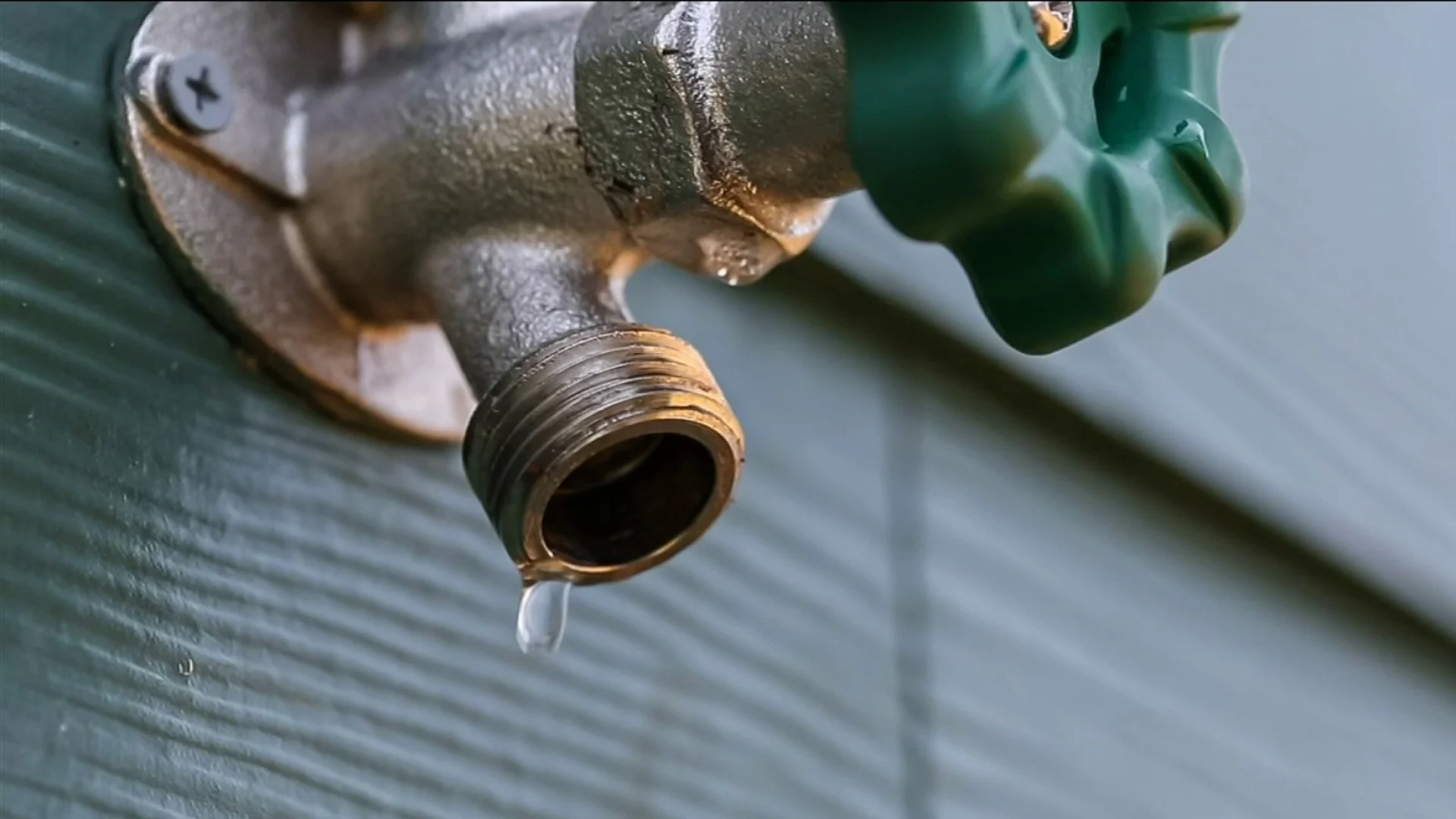
    Outdoor plumbing should not be overlooked. Disconnect garden hoses and drain outdoor faucets before the first freeze. Leaving hoses attached can trap water inside the pipe, increasing the risk of freezing and damage. Installing frost-free hose bibs or covering outdoor spigots with insulated covers can provide additional protection.

    Your water heater also plays an important role during the winter months. Ensuring it is functioning properly will help maintain a steady supply of hot water when you need it most. Flushing the tank to remove sediment buildup and checking for signs of wear can improve efficiency and extend the life of the unit. If your system is older or struggling to keep up, it may be worth having it inspected before winter sets in.

    Finally, knowing where your main water shut-off valve is located can make a big difference in an emergency. If a pipe does burst, shutting off the water quickly can minimize damage to your home. Every homeowner should be familiar with this valve and ensure it is easily accessible.

    Preparing your plumbing for Midwest winters doesn’t have to be complicated, but it does require attention to detail. Taking proactive steps now can prevent frozen pipes, costly repairs, and unnecessary stress later. If you’re unsure where to start or want professional assistance, T&T Plumbing can help ensure your system is ready to handle even the coldest temperatures.

  • How to Tell If a Cash Home Buyer Is Legit (What to Look for in Mississippi)

    How to Tell If a Cash Home Buyer Is Legit (What to Look for in Mississippi)

    Selling a home to a cash buyer can feel simple and fast. Many homeowners choose this route to avoid repairs, showings, and long waiting periods. While the process is often straightforward, it is still important to confirm that the buyer is reliable and professional.

    Not every buyer operates with the same level of transparency. Some may promise quick closings or high offers without clear details. Taking time to verify who you are working with helps protect your property, your time, and your financial outcome.

    Start With Their Online Presence and Local Reputation

    A legitimate cash buyer usually has a clear and active online presence. This may include a website, business listings, and reviews from past clients. Look for consistent information across platforms, such as contact details and service areas.

    Reading reviews can give insight into how the company works with sellers. Pay attention to feedback about communication, fairness, and closing timelines. Companies like Salt & Light Property Solutions often build trust through local experience and transparent interactions, which can help sellers feel more confident moving forward.

    Clear Communication Shows Professional Standards

    Reliable buyers explain their process in simple terms. They answer questions directly and provide details about each step. This includes how they evaluate a property, how offers are calculated, and what happens before closing.

    If a buyer avoids questions or provides vague answers, it may signal a lack of professionalism. A trustworthy buyer will make sure you understand the agreement before moving ahead. Open communication creates a smoother and more predictable experience.

    Proof of Funds Should Always Be Available

    One of the most important signs of a legitimate cash buyer is proof of funds. This document confirms that the buyer has the financial ability to complete the purchase. It can come from a bank statement or a letter from a financial institution.

    Serious buyers are prepared to share this information when requested. Without proof of funds, there is a risk that the deal may fall through later. Verifying this early helps avoid unnecessary delays.

    No Pressure to Make Immediate Decisions

    A professional buyer gives you time to review your options. Selling a home is a major decision, and you should not feel rushed. Buyers who push for immediate agreements may not have your best interests in mind.

    Legitimate companies allow sellers to ask questions, review contracts, and consider their choices. This approach reflects respect for the homeowner and builds long-term trust.

    Contracts Should Be Simple and Easy to Review

    A clear and straightforward contract is another sign of a reputable buyer. The agreement should outline the purchase price, timeline, and any conditions involved. All terms should be written in plain language that is easy to understand.

    If a contract feels confusing or overly complex, it is wise to seek clarification. Transparent buyers are willing to explain each section and ensure that you are comfortable before signing.

    Local Knowledge Makes a Difference

    Cash buyers who operate in Mississippi should understand the local market. This includes property values, neighborhood trends, and common challenges in the area. Local experience helps buyers make realistic offers and close deals efficiently.

    Working with someone familiar with your region can improve the overall process. They are more likely to understand specific factors that affect your property and timeline.

    Watch for Signs That Something Feels Off

    Trusting your instincts can be valuable when evaluating a buyer. If something feels unclear or inconsistent, it is worth taking a closer look. Warning signs may include missing contact information, unclear processes, or sudden changes in terms.

    A reliable buyer maintains consistency from the first conversation through closing. They provide clear expectations and follow through on their commitments. Paying attention to these details can help you avoid unnecessary risks.

    A Smooth Closing Process Reflects Credibility

    The closing process should be organized and transparent. Legitimate buyers work with professionals such as title companies to ensure that all paperwork is handled correctly. This step protects both the buyer and the seller.

    Clear timelines and regular updates are also important. A buyer who keeps you informed throughout the process shows professionalism and reliability. This helps create confidence as you move toward finalizing the sale.

    FAQs

    1. How can I quickly check if a cash home buyer is legitimate in Mississippi?
    Start by reviewing their online presence, reading customer feedback, and asking for proof of funds. Clear communication and a transparent process are strong indicators of a trustworthy buyer.

    2. Do legitimate cash buyers always provide proof of funds?
    Yes, reputable buyers are prepared to show proof of funds when requested. This confirms their ability to complete the purchase and helps prevent delays during the transaction.

    3. How does Salt & Light Property Solutions ensure a reliable home selling experience?
    Salt & Light Property Solutions focuses on clear communication, transparent offers, and a structured closing process. Their approach helps homeowners in Mississippi move forward with confidence and avoid common risks associated with uncertain buyers.

  • Electronic Home Security: What Does Protecting Your Home Mean to You?

    Electronic Home Security: What Does Protecting Your Home Mean to You?

    People invest in home security in different ways. Some homeowners prefer the analog-only approach that focuses on things like deadbolt locks and security glass. Others combine analog strategies with electronic home security. Still others do little more than keeping their landscaping in good shape and making sure their doors and windows are always locked. Here’s the big question: what does protecting your home mean to you?

    This post was prompted by Vivint Home Security’s new HomeProtect package. The package is promoted as “the perfect home security foundation” on the company’s website. I take that to mean that a homeowner looking to install electronic home security could start with HomeProtect and then build on it.

    Using HomeProtect as a foundation could also mean combining it with additional strategies and methods. But again, we go back to the same question. What does protecting one’s home mean to a particular homeowner?

    Burglary: Still a Common Crime

    Although burglary rates have declined by a stunning 69% since 2005, burglary is still a common crime in America. Combined with package theft – which is considered larceny – it is a motivating factor for many consumers who ultimately invest in electronic home security.

    Think of it this way: home security systems were once referred to as burglar alarms. First-generation security systems were equipped with window and door sensors, a CCTV camera or two if you could afford it, and a very loud alarm. In the event of a burglary, the alarm would sound while the system sent signals to a remote monitoring center.

    People who wanted home security systems but could not afford monthly monitoring still had the benefit of the alarm. The alarm was noisy and annoying enough to get attention. Someone in the neighborhood would call the police, and that was that.

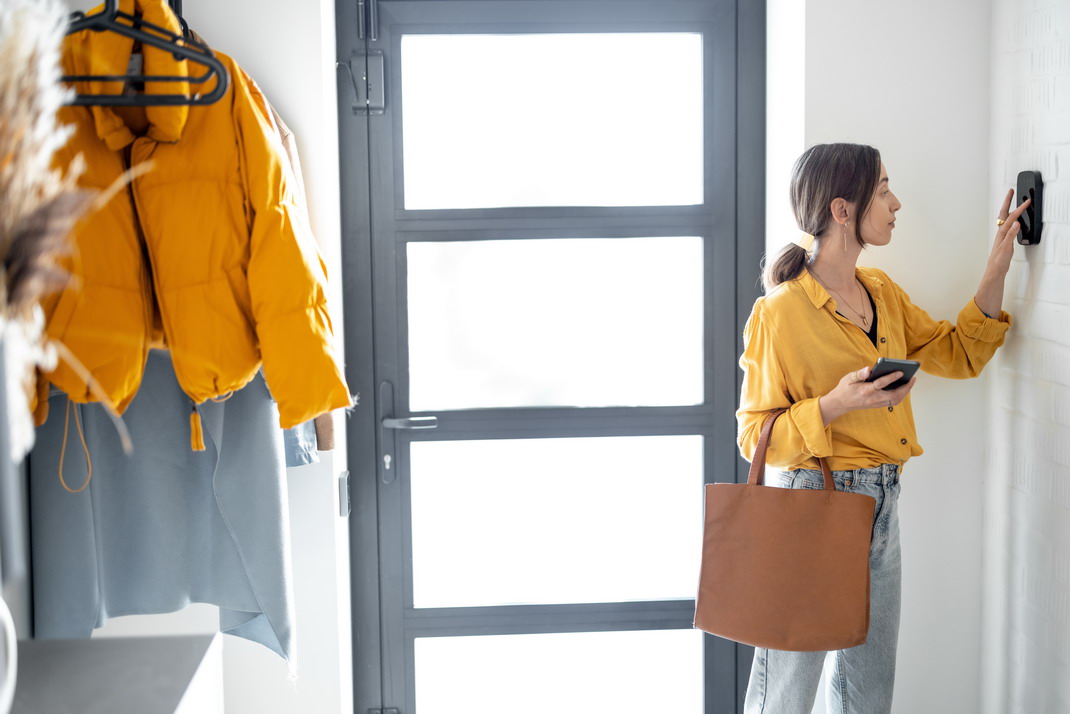
    Modern systems still make noise. But they offer additional features like wireless cameras, mobile monitoring, motion sensors, and even full integration with a home automation system. So if that is what you are after, something like HomeProtect can be the foundation of your electronic system.

    Protecting Your Car

    Although state law doesn’t always differentiate between burglarizing a home and a car, many homeowners do. We don’t typically think of someone breaking into a car when we talk about burglary. Nonetheless, you may believe that protecting your car is part of protecting your home.

    To that end, electronic home security could prove helpful. Exterior video cameras providing a clear view of the driveway act as a deterrent as long as burglars know they are being watched. Vivint takes that principle one step further. Some of their cameras are built with onboard alarm systems that alert when triggered, letting burglars know they’ve been caught.

    Even cars parked in the garage can be made safer with a home security system. A system equipped with a garage door sensor and automated door can be programmed to close and secure the door based on any set of conditions. Even if a homeowner forgets to close the door at the end of the day, the system will do it for him. His car is safer for it.

    Keeping an Eye on the Kids

    Maybe protecting your home includes keeping an eye on the kids when you are away. Think of those afternoon hours between the time your kids get home and you arrive home from work. A home security system equipped with smart locks and door sensors can alert you to the kid’s arrival after school. You will know they got home safe and sound.

    Meanwhile, strategically placed interior cameras let you check in. You can make sure the kids are doing their homework, getting their chores done, or enjoying video games in the family room.

    All of this is made possible through electronic home security. And it is all doable using HomeProtect as the foundation. But for some homeowners, protecting their home is not about electronics at all. It is about other things.

    Making the Effort to Defend

    There is a certain segment of the population that will likely never invest in electronic home security. Their thinking is that protecting a home is more about the effort to defend than the actual tools used. Such thinking suggests that a homeowner uses whatever tools are most effective given his circumstances.

    For example, one of the easiest ways to defeat a burglar is to make it as difficult as possible to break in without being detected. Burglars like to get in quickly and without drawing any attention to themselves. That’s why so many have no compunction about walking through neighborhoods and checking door handles. If they can find an unlocked door, they can quickly slip inside undetected.

    Things like deadbolt locks, security glass, thorny shrubs, and motion-activated lighting make it harder for a burglar to enter a home undetected. Given the choice between a well-defended home and one that is barely defended at all, most burglars will choose the latter.

    While electronic home security is a valuable tool and one many find worthwhile, it is not the be-all and end-all of home security. It’s very possible to defend your home against all sorts of crime using no electronics at all.

    Don’t Forget the Other Threats

    It is impossible to have a discussion of this nature and talk only about property crimes. There are other things that need a homeowner’s attention. For example, does protecting your home include fire and carbon monoxide protection? It should.

    Fire and carbon monoxide poisoning injure thousands of people every year. Unfortunately, people die from both, too. Yet a minimal investment in smoke and CO detectors can save lives and prevent injury. Best of all, detectors can be installed separately from electronic home security. You don’t have to have a security system to be alerted to smoke and carbon monoxide.

    Protecting one’s home means different things to different people. What does it mean to you? Does it mean starting with an electronic home security system as a foundation, or are you more interested in analog solutions?

  • Designing With Neutrals That Aren’t Beige

    Designing With Neutrals That Aren’t Beige

    The Versatility of Neutral Colors

    Neutral colors have long been a staple in the world of design, often associated with calmness, simplicity, and sophistication. While beige has dominated the neutral palette for years, there is a growing trend towards exploring a wider spectrum of neutral shades that can enrich our spaces without overwhelming them. In this article, we will delve into the various neutral colors beyond beige and how they can be effectively utilized in design.

    Why Choose Non-Beige Neutrals?

    Opting for neutrals that aren’t beige allows for greater creativity and individuality in design. Colors like greys, taupes, whites, and even muted pastels can provide a fresh take on neutrality. These colors can evoke different moods and atmospheres, making them suitable for various spaces, from serene bedrooms to dynamic offices.

    Exploring Grey

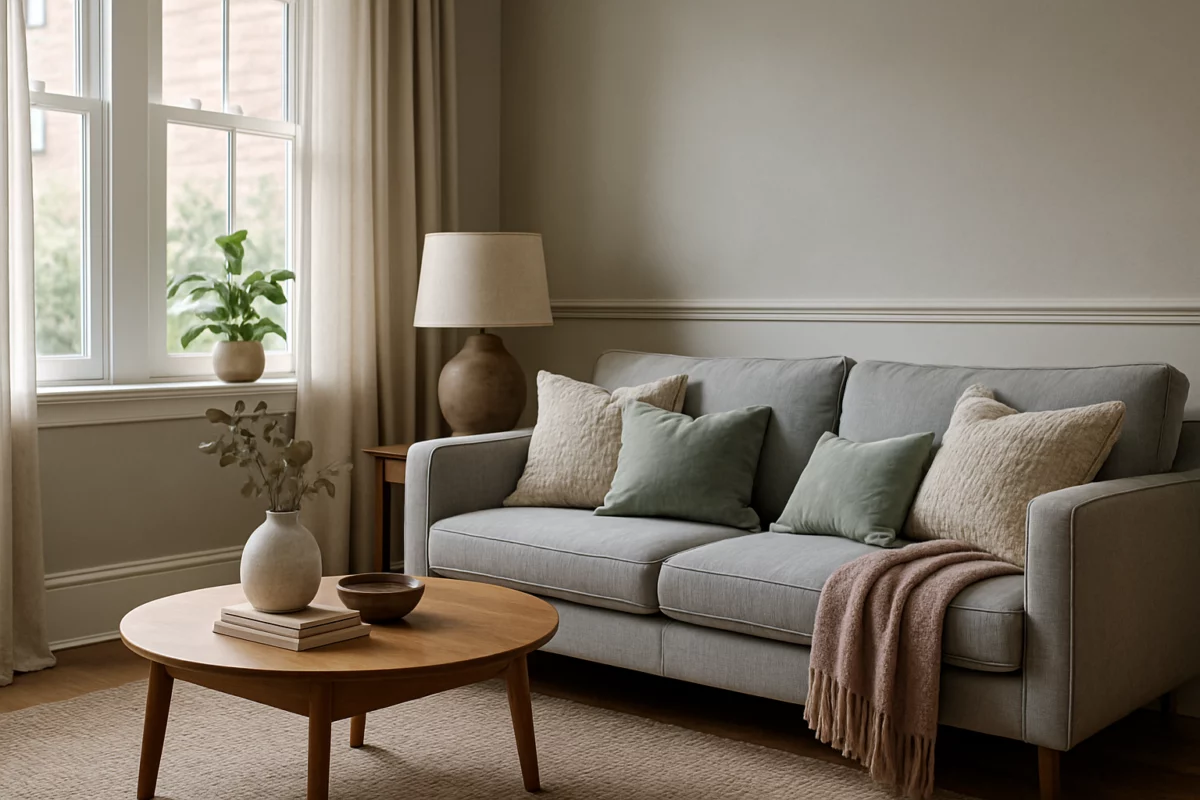
    Grey, often dubbed the new beige, is incredibly versatile. It ranges from light shades that can brighten a space to darker tones that add depth and drama. Light greys can serve as an excellent backdrop for vibrant art or furniture, while charcoal greys can create a cozy, intimate atmosphere. Pairing grey with warm woods or metallics can further enhance its appeal.

    Soft Whites

    Contrary to popular belief, white is not just white. Soft whites with undertones of cream or pale grey can bring warmth to a space. These shades create a clean, airy feel while maintaining a sense of comfort. They are perfect for smaller rooms, as they can make spaces appear larger and more open. Accentuating soft whites with colorful accessories can create a dynamic contrast that invigorates the room.

    Incorporating Taupe

    Taupe is a unique neutral that combines brown and grey, offering a warm yet sophisticated tone. It works beautifully in both traditional and contemporary settings. Using taupe in upholstery or wall paint can create a rich backdrop for various decor styles. Additionally, taupe pairs well with a range of colors, including jewel tones and muted pastels, making it an excellent choice for accent pieces.

    Muted Pastels as Neutrals

    Muted pastels, such as soft blush, sage green, and powder blue, are becoming increasingly popular as neutrals. These hues offer a fresh and modern feel while maintaining the subtlety typical of neutral colors. They can soften a space and introduce a hint of color without overwhelming the overall design. For instance, a muted blush sofa can serve as a neutral statement piece, allowing surrounding decor to shine.

    Creating Balance with Non-Beige Neutrals

    When designing with non-beige neutrals, it’s essential to consider balance. Layering different shades of the same color can create depth and interest. For example, a room designed in various shades of grey can appear sophisticated and cohesive. Adding textures, such as wool throws or velvet cushions, can enhance the visual appeal and create a warmer environment.

    Accent Colors and Accessories

    To prevent a neutral palette from appearing flat, introduce accent colors through accessories. Bold colors like teal, mustard yellow, or burnt orange can enliven a neutral space. Consider using these accents in decorative pillows, artwork, or even a statement piece of furniture. This approach allows for a flexible design that can adapt to changing trends and personal tastes.

    Case Studies: Successful Neutral Designs

    Many designers have successfully embraced non-beige neutrals in their projects. For instance, a contemporary home featuring a palette of soft greys and whites can evoke a serene atmosphere, perfect for relaxation. In contrast, a rustic cabin with taupe walls and muted pastel furnishings can create a warm, inviting space that feels cozy and lived-in.

    Personal Spaces

    In personal spaces like bedrooms, using non-beige neutrals can significantly impact the overall feel. A bedroom painted in soft sage green with white accents can promote tranquility and restful sleep. Similarly, a home office utilizing shades of grey accented with bold decor can foster creativity and productivity.

    Conclusion

    Incorporating neutrals that aren’t beige into your design scheme not only enhances aesthetic appeal but also allows for greater expression of personal style. By exploring a broader palette of neutral colors, designers and homeowners alike can create spaces that are both inviting and unique. Embracing the versatility of these colors can lead to stunning results, making any space feel fresh, modern, and undeniably stylish.

  • Why Trends Cycle Faster Than Good Design

    Why Trends Cycle Faster Than Good Design

    The Nature of Trends

    In the fast-paced world of design, trends emerge and dissipate at an astonishing rate. With the rise of social media, information spreads rapidly, and what was once considered avant-garde can quickly become mainstream. Trends often reflect the cultural zeitgeist, tapping into the collective consciousness of society. They are influenced by factors such as technological advancements, shifts in consumer behavior, and even global events.

    The Role of Social Media

    Social media platforms like Instagram, TikTok, and Pinterest act as catalysts for trends, allowing ideas to proliferate at lightning speed. Designers and consumers alike are constantly bombarded with new styles, colors, and concepts. The “like” and “share” features amplify the visibility of emerging trends, creating a feedback loop that encourages rapid adoption. This environment fosters a culture of immediacy, where the lifespan of a trend can be measured in weeks rather than years.

    Good Design vs. Trendy Design

    While trends are often fleeting, good design is timeless. Good design prioritizes functionality, aesthetics, and user experience. It is the result of thoughtful consideration and a deep understanding of the target audience’s needs. In contrast, trendy design may prioritize aesthetics over functionality, often resulting in products that may look appealing but lack practical value.

    The Impact of Consumer Behavior

    Today’s consumers are more informed and discerning than ever. They seek authenticity and connection with brands, which can lead to a rejection of overly trendy designs in favor of those that resonate on a deeper level. As consumers grow weary of the constant churn of trends, they increasingly gravitate toward brands that embody enduring values and principles.

    Embracing Sustainability

    One significant shift in consumer behavior is the growing emphasis on sustainability. As awareness of environmental issues rises, consumers are more inclined to support brands that prioritize sustainable design practices. This has led to a resurgence of classic, timeless designs that are built to last, contrasting sharply with the transient nature of trends.

    The Psychological Aspect of Trends

    Psychologically, trends can be seen as a way for individuals to express their identity. People often adopt trends as a means of fitting in or standing out within their social circles. This desire for belonging can drive the rapid adoption of trends, but it can also leave individuals feeling hollow when the trend inevitably fades.

    The Cycle of Trends

    Trends often follow a predictable cycle: emergence, peak, and decline. During the emergence phase, a new idea begins to gain traction, often fueled by early adopters and influencers. As it gains popularity, it reaches a peak where it is ubiquitous and widely accepted. Finally, trends decline as consumer interest wanes, leading to a saturation point where the novelty wears off. This cycle can happen in a matter of months or even weeks in today’s digital landscape.

    Designing for Longevity

    In contrast to the fleeting nature of trends, good design focuses on longevity. Designers who prioritize timelessness often draw inspiration from classic styles and principles. They understand that while trends may come and go, foundational elements of design—such as balance, contrast, and harmony—remain constant. This approach not only ensures that designs have a longer lifespan but also creates a deeper emotional connection with consumers.

    Future-Proofing Design

    To future-proof their work, designers must stay informed about both current trends and timeless design principles. This balance allows them to create innovative designs that resonate with today’s consumers while ensuring they remain relevant for years to come. The ability to adapt and evolve while maintaining core design values is crucial in this rapidly changing landscape.

    The Designer’s Responsibility

    Designers hold significant power in shaping culture and influencing consumer behavior. With this power comes responsibility. As trends continue to cycle faster than ever, designers must consider the long-term impact of their work. They should strive to create designs that not only captivate audiences in the moment but also endure beyond the transient nature of trends.

    Ultimately, the distinction between trends and good design lies in their ability to connect with users on a meaningful level. While trends may captivate and inspire, they often lack the depth and purpose that define truly good design. As designers navigate the complex landscape of trends, they must remember that creating work that speaks to the human experience will always resonate more profoundly than simply chasing the latest fad.